Curious what it’s really like to live in Walnut Creek? If you are weighing a move to this part of Contra Costa County, you are probably looking for more than a map pin and a home price. You want to know how daily life feels, what your housing options look like, and whether the area fits your routine, lifestyle, and long-term goals. This guide walks you through Walnut Creek’s amenities, outdoor spaces, transit access, and home choices so you can get a clearer picture of what living here may offer. Let’s dive in.
Why Walnut Creek Stands Out
Walnut Creek blends a busy downtown core with extensive open space, which gives you two very different lifestyle benefits in one city. On one hand, you have a concentrated shopping and dining district with a strong pedestrian feel. On the other, you have thousands of acres of open space and trail networks that support hiking, biking, walking, and more.
That mix is a big reason Walnut Creek draws attention from buyers, renters, commuters, and downsizers alike. Census QuickFacts estimates the city’s population at 70,817 in July 2025, with a 64.4% owner-occupied housing rate. The same source also shows a median owner-occupied home value of $1,057,300 and median gross rent of $2,680, which reflects a higher-cost East Bay market with both ownership and rental demand.
Downtown Walnut Creek Amenities
Downtown Walnut Creek is a major part of the city’s appeal if you want convenience close to home. The City of Walnut Creek reported in 2025 that downtown had more than 150 restaurants, making it one of the city’s most visible lifestyle hubs. That gives you a wide range of everyday dining and gathering options in a relatively compact area.
Broadway Plaza anchors the retail scene with more than 80 retailers and specialty shops. It also includes dining options such as True Food Kitchen, Boudin, Cholita Linda, and Original Joe’s. The city said Broadway Plaza draws an estimated 6 million visitors each year, which highlights how central this district is to Walnut Creek’s day-to-day activity.
Another useful detail is the city’s Outdoor Dining Program, which extends through a downtown outdoor-dining overlay district and nearby areas. For you, that can mean a more active street scene and more options for enjoying meals outdoors. It also adds to the walkable, downtown feel that many buyers and renters look for when comparing East Bay locations.
Outdoor Recreation in Walnut Creek
If access to the outdoors matters to you, Walnut Creek offers a lot more than a typical city park system. The City of Walnut Creek says its Open Space division manages more than 3,000 acres across four unique areas, along with more than seven miles of neighborhood trails. These spaces support hiking, walking, running, bicycling, dog walking, and equestrian use.
Shell Ridge and Lime Ridge
Shell Ridge is one of the city’s largest open space areas at 1,420 acres with 31 miles of trails. The city says it begins just a short distance from downtown and stretches toward Mount Diablo, with access to Borges Ranch and Howe Homestead Park. If you want quick access to longer trail outings without driving far, this is a notable feature.
Lime Ridge adds another 1,226 acres and 25 miles of trails. With trailheads and parking in both Walnut Creek and Concord, it gives you another large recreation area that supports active outdoor use. Together, Shell Ridge and Lime Ridge help define Walnut Creek as a place where open space is part of everyday life, not just an occasional weekend destination.
Acalanes Ridge and Sugarloaf
Acalanes Ridge covers 202 acres and includes 4 miles of trails on the city’s northwestern edge above the Interstate 680 and Highway 24 intersection. It is a smaller open space area, but still adds to the range of trail access across the city. For some residents, having several smaller and larger options can make it easier to fit outdoor time into a regular routine.
Sugarloaf spans 177 acres with 3 miles of trails. It also includes picnicking areas, group camping by reservation, and a ranger station. That makes it a little different from the city’s other open space areas and gives you another option for recreation close to home.
Heather Farm Park
Heather Farm Park offers a more developed park experience. The city describes it as an approximately 100-acre citywide park with a garden center, swimming complex, lake, pond, nature area, equestrian center, ball fields, tennis courts, and a community center. This kind of amenity mix can be especially helpful if you want a park that supports both active recreation and quieter outdoor time.
The city planning document also notes that Heather Farm Park is intended to balance active uses with passive uses such as walking, exercising, picnicking, and bird watching. It also aims to improve pedestrian and bicycle access from the Contra Costa Canal Trail. For you, that means the park fits into a broader system of local mobility and recreation rather than standing alone.
Getting Around Walnut Creek
Transit and regional access are a major part of Walnut Creek’s appeal, especially if you commute or travel often. Walnut Creek Station, located at 200 Ygnacio Valley Road, sits on BART’s Antioch to SFIA/Millbrae line. BART says it is one of the busiest stations in Contra Costa County, serving about 7,000 riders per day.
The City of Walnut Creek says the community is served by both BART and County Connection buses. The city also notes that Walnut Creek BART and Pleasant Hill/Contra Costa Centre BART offer secure vehicle parking and bicycle storage. If you want flexibility between driving, biking, and transit, that combination can make daily logistics easier.
Downtown Trolley and Shuttle Options
For local trips, Walnut Creek has some convenient car-light options. County Connection’s Route 4 Downtown Trolley runs seven days a week from Walnut Creek BART and is complimentary. It offers hop-on, hop-off service about every 20 minutes between downtown shopping, restaurant, and entertainment destinations.
The city also highlights Route 5 Creekside Shuttle, which operates on weekdays and links Walnut Creek BART with California Boulevard, South Main Street, and Creekside Drive. If you are comparing locations based on how easily you can get from home to transit or downtown without always driving, these services are worth knowing.
Regional Connections
The city says BART provides a convenient way to reach Berkeley, Oakland, San Francisco, Oakland International Airport, and San Francisco International Airport. That regional access can be a strong plus if you work across the Bay Area or want easier airport connections. It also supports Walnut Creek’s role as a practical home base for people who need both suburban living and broader mobility.
Walnut Creek is also seeing transit-oriented residential growth near the station. BART says the planned Walnut Creek Transit Village will include about 596 multifamily housing units, 27,000 square feet of retail, a new BART police facility, and an intermodal bus facility. For you, that points to continued growth in transit-connected living options near the downtown and station area.
Home Options in Walnut Creek
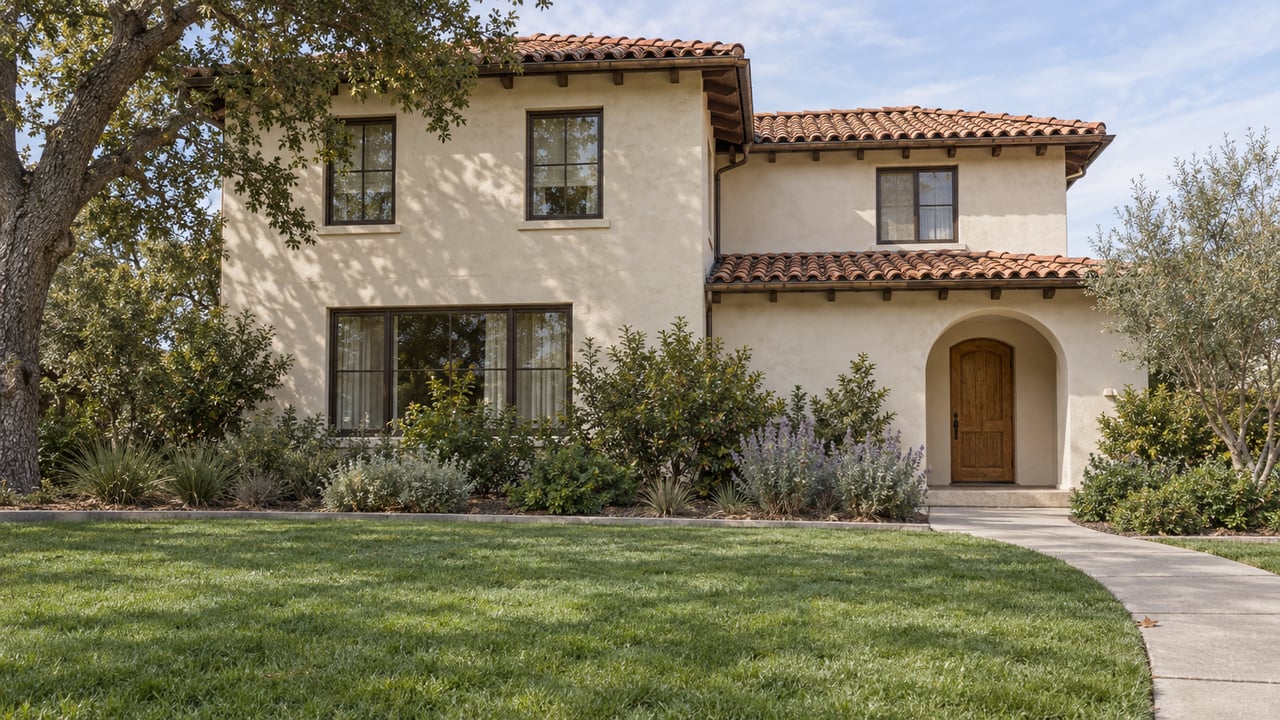
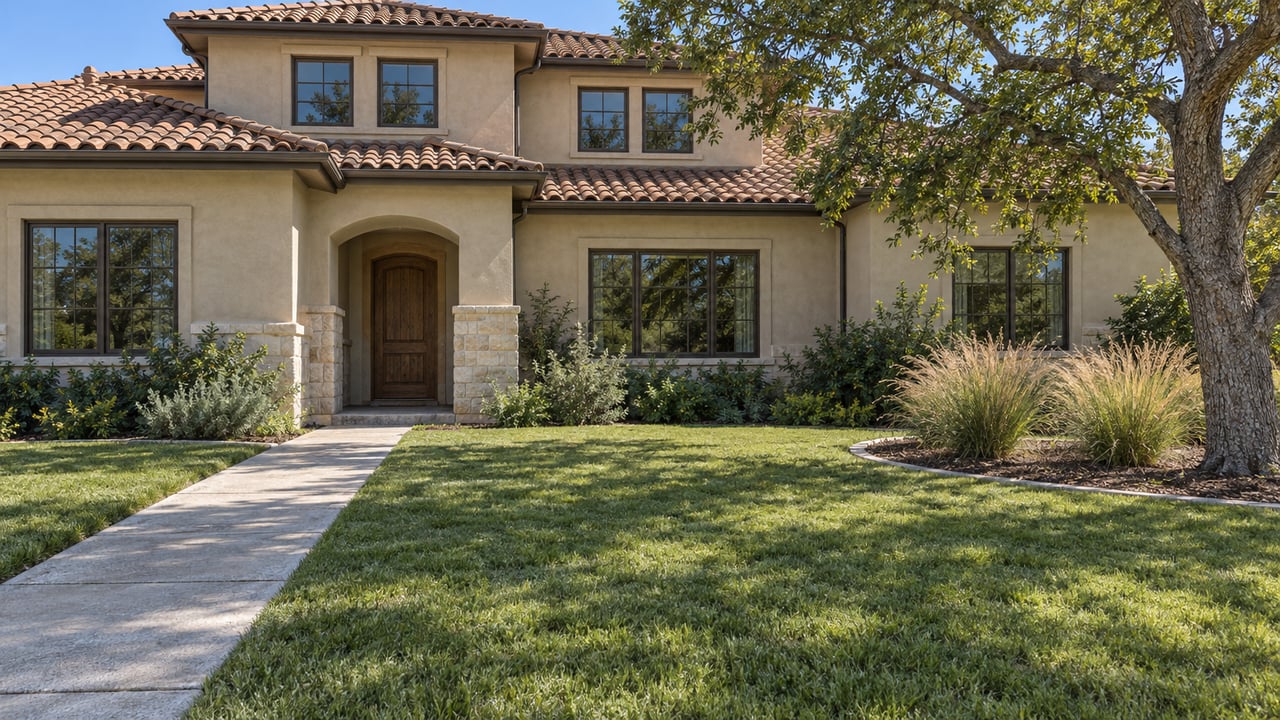
One of Walnut Creek’s strengths is that it offers a meaningful mix of housing types. According to the city’s 2023-2031 Housing Element, Walnut Creek has 33,969 housing units. Of those, about 37% are single-family detached homes, 15% are single-family attached homes or townhomes, and 48% are multifamily condominiums or apartments.
That balance creates options for different stages of life and different priorities. You may be looking for a detached home with more space, a townhome with lower exterior maintenance, or a condo closer to downtown and transit. Walnut Creek’s housing stock supports all three paths more than some East Bay cities that lean heavily in only one direction.
Single-Family, Townhome, and Condo Choices
The city’s zoning reflects this range. Walnut Creek includes land-use categories for single-family neighborhoods, multifamily housing, downtown high-density residential, and mixed-use districts that allow apartments and condominiums alongside commercial space. In practical terms, that means the city’s housing landscape is shaped by both established neighborhoods and more urban-style residential areas.
Most housing growth in recent decades has come from multifamily projects with five units or more. That matters if you are drawn to condo or apartment living, especially near downtown or transit. It also helps explain why buyers often see Walnut Creek as offering both traditional suburban homes and more lock-and-leave options.
What the Numbers Suggest
Census figures help frame the market. The median owner-occupied home value is $1,057,300, median monthly owner costs with a mortgage are $3,764, and median gross rent is $2,680. Those numbers suggest that budgeting, financing preparation, and a clear understanding of your must-haves are especially important if you are planning a move here.
The same census data show that 29.5% of Walnut Creek residents are age 65 and older. Along with the city’s varied housing stock, that helps explain why Walnut Creek can appeal to move-up buyers, downsizers, and people looking for easier access to shopping, dining, and recreation. It is a city with enough variety that your ideal fit may depend more on lifestyle than on a single home style.
Is Walnut Creek a Good Fit for You?
Walnut Creek may be worth a closer look if you want a city that combines everyday convenience with strong outdoor access. You can enjoy a downtown with major shopping, a large restaurant scene, and transit connections, while also staying close to open space, trails, and developed parks. That is a combination many buyers find hard to replicate.
It may also suit you if you want flexibility in housing type. From single-family homes to townhomes, condos, and apartments near transit, the local housing mix gives you more ways to match your home to your budget, commute, and maintenance preferences. As with any move, the best choice comes down to how you want your daily life to work.
If you are thinking about buying or selling in Walnut Creek, having local guidance can make the process feel much more manageable. Christine Canales brings a calm, informed, and client-first approach to helping you explore your options and move forward with confidence.
FAQs
What is Walnut Creek known for in Contra Costa County?
- Walnut Creek is known for its active downtown, Broadway Plaza shopping, more than 150 downtown restaurants, extensive open space, and strong BART access.
What outdoor activities are available in Walnut Creek?
- Walnut Creek offers hiking, walking, running, bicycling, dog walking, equestrian use, picnicking, bird watching, swimming, tennis, and other park-based recreation across its open space areas and Heather Farm Park.
What types of homes are available in Walnut Creek?
- Walnut Creek has a mix of single-family detached homes, townhomes, condos, and apartments, with city data showing about 37% single-family detached, 15% single-family attached or townhomes, and 48% multifamily units.
How do you get around Walnut Creek without driving everywhere?
- You can use BART, County Connection buses, the complimentary Route 4 Downtown Trolley, the weekday Route 5 Creekside Shuttle, and regional bike and pedestrian trails.
Is Walnut Creek a good option for commuters?
- Walnut Creek can work well for commuters because BART connects the city to Berkeley, Oakland, San Francisco, and major airports, and the Walnut Creek station is one of the busiest in Contra Costa County.