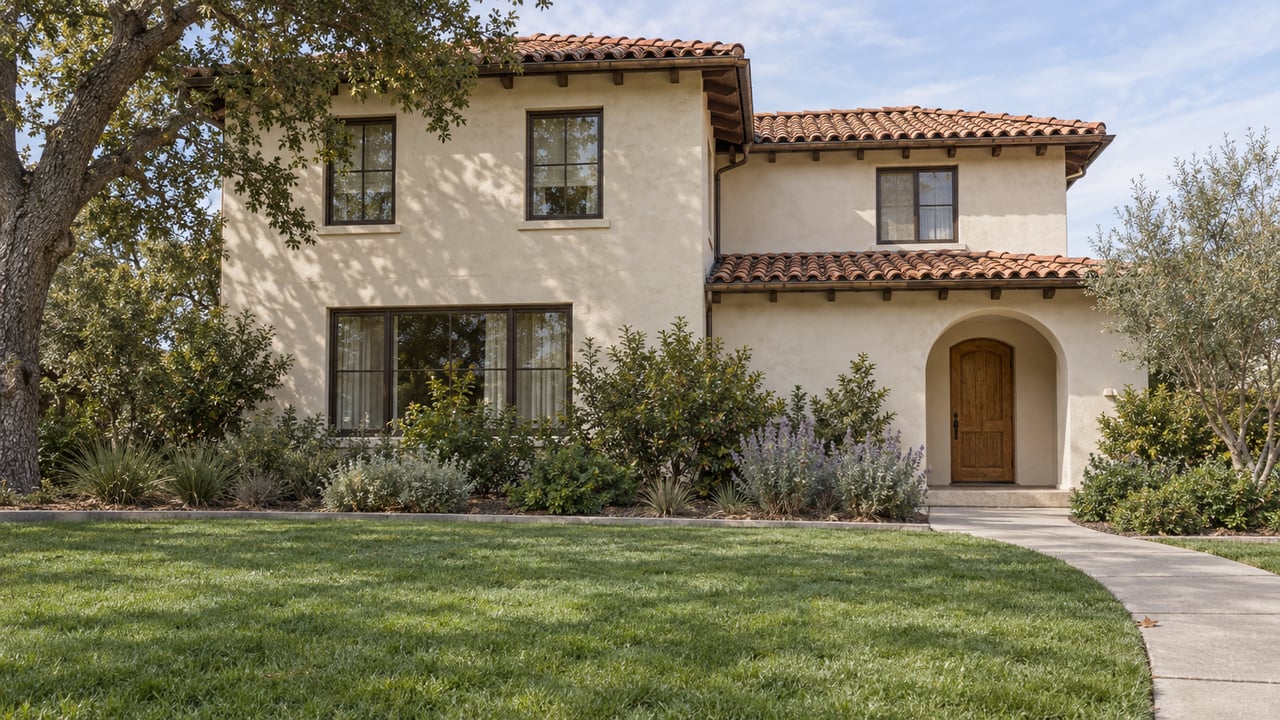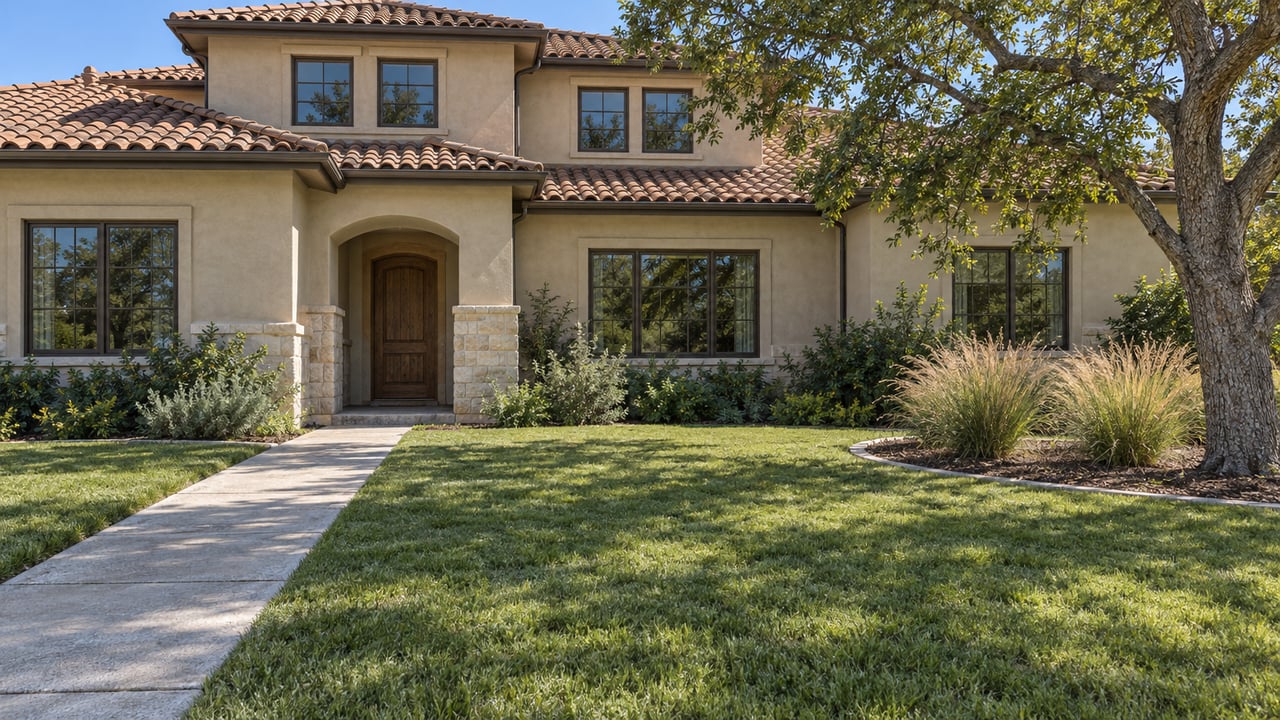
Wondering why one Pleasant Hill home gets strong offers in the first week while another sits and chases the market? If you are thinking about selling, pricing is one of the biggest decisions you will make, and in today’s market, it can shape everything from showing activity to your final sale price. The good news is that you do not have to guess. With the right local data and a clear strategy, you can price with confidence. Let’s dive in.
Pleasant Hill pricing starts local
Pleasant Hill remains a competitive market, but buyers are paying close attention. Recent public data shows a median sold price of $943,935 over the three months ending May 2026, while Zillow’s typical home value was $1,005,618 and Realtor.com’s median listing price was $939,000 in May 2026. These numbers are useful, but they do not measure the same thing, so they should not be used interchangeably.
That matters because buyers are comparing your home to what else is available right now, what recently sold, and how your property fits into that picture. Inventory also remains fairly limited, with public sources showing roughly 68 to 72 homes for sale. In a market like this, a smart list price can help your home stand out quickly.
First-week pricing matters most
Pleasant Hill homes are still moving fast by Bay Area standards. Recent data shows median days on market ranging from about 12 to 26 days, depending on the source, with Redfin reporting a 14-day median. That means your first one to two weeks on the market can have a big impact on the rest of your sale.
When a home launches at the right price, it tends to create stronger early interest. Redfin reports that the average Pleasant Hill home sells for about 1% above list price, and hot homes can sell about 4% above list price. On the other hand, if a home starts too high, it can lose momentum before the right buyers even decide to see it.
Citywide averages are only the starting point
One of the biggest pricing mistakes is relying too heavily on citywide numbers. Pleasant Hill is not one uniform market, and prices can shift a lot from one area to another. Your home should be compared to nearby homes with a similar style, size, condition, and buyer appeal.
For example, Gregory Gardens posted a median sale price of $974,172 over the three months ending May 2026. Homes there averaged 11 days on market and sold about 2% above list. Poets Corner showed a much higher median sale price of about $1.34 million, with homes averaging 8 days on market and selling about 2.5% above list.
That spread tells you something important. A pricing strategy that works in one Pleasant Hill area may not fit another. Even within the same neighborhood, two homes can attract very different buyer response based on updates, lot size, layout, and presentation.
Your home’s condition affects price
Buyers are not just buying square footage. They are also reacting to how move-in ready a home feels, how well it shows, and whether the layout fits today’s needs. In Pleasant Hill, recent sales show that these details can meaningfully shift the result.
In Gregory Gardens, one remodeled single-story home on a large flat lot sold for $1.2 million after 127 days and closed 2% under list. Another home in the same neighborhood sold 28% above list. In the broader Pleasant Hill market, some homes sold 3% under list after 29 days or 1% under list after 64 days, while others sold 13% above list after 27 to 40 days.
The lesson is simple. Price should reflect how your home compares to the best recent sales, not just the average sale. If your home has strong updates, curb appeal, a functional floor plan, or a standout lot, that may support a stronger price position. If it needs work or faces tougher competition, the strategy may need to be more conservative.
Three pricing strategies sellers often consider
Most successful pricing plans in Pleasant Hill begin with comparable sales, then adjust for condition, location, and likely buyer demand. Recent city-level data supports a thoughtful approach: 46.7% of homes sold above list price, 25.3% had price drops, and the average sale-to-list ratio was 101.1%.
Here are three common approaches sellers may consider:
Price at market value
This approach aims for a clean, steady sale. You price close to what recent comparable homes support, based on current competition and your home’s condition. This can work well if your goal is to attract serious buyers quickly without overreaching.
Price slightly under key comp thresholds
This strategy can help create urgency when the home shows well and has broad appeal. By pricing just below a clear buyer search threshold or comp ceiling, you may attract more attention early and increase the chance of multiple offers. In a fast-moving market, that early activity can be valuable.
Price at the high end for premium features
This only tends to work when the home clearly offers something buyers will pay more for. That could include an exceptional lot, standout updates, a highly functional layout, or overall presentation that puts the home above nearby alternatives. Without that premium feature set, a high starting price can limit traffic.
Why overpricing can backfire
It is easy to think you can always reduce the price later, but that approach often costs sellers time and leverage. National reporting cited in the research showed more sellers cutting prices in 2026, and warned that pricing 3% to 5% above market can lead to longer days on market and deeper reductions later.
That trend lines up with what Pleasant Hill sellers should keep in mind. Buyers are still active, but they are also payment-conscious. Freddie Mac reported a 30-year fixed mortgage rate of 6.47% on June 18, 2026, and affordability remains a challenge across California. When buyers are watching both price and monthly payment closely, an inflated list price can narrow your buyer pool fast.
Signs your price may need adjustment
A price adjustment does not always mean something is wrong with your home. It usually means the market is giving useful feedback. The key is recognizing that feedback early enough to respond while your listing is still fresh.
You may need to revisit price if:
- You are getting showings but no offers
- Buyers attend open houses but do not return for second looks
- Similar nearby homes are going pending faster
- Feedback points to value concerns
- Your listing has passed the expected launch window without strong interest
In Pleasant Hill, some homes still sell near or above list after 27 to 40 days. Others took 64 to 127 days and sold under list. If your home is not generating the response that nearby comparable homes received, the market may already be signaling that your price needs work.
How to price your Pleasant Hill home wisely
The strongest pricing decisions usually come from a mix of current and recent data. You want to look at recent nearby sales, active competition, how quickly similar homes are moving, and how your property presents in person and online. Pricing should feel like a strategy built on evidence, not a guess built on hope.
A strong pricing process often includes:
- Reviewing recent sold homes in your immediate area
- Comparing active listings that buyers will shop against yours
- Adjusting for upgrades, lot features, layout, and condition
- Considering whether your home is likely to draw broad or limited demand
- Watching early market response once your home launches
Because Pleasant Hill is neighborhood-specific, this kind of analysis is especially important. The right number is not just about where the city median sits. It is about where your home fits in its exact micro-market today.
Why strategy matters as much as price
A good list price is important, but it works best when it is paired with strong presentation and clear market positioning. Buyers are making fast comparisons, especially in the first two weeks. If your home is priced well and presented well, you give yourself a better chance to attract serious interest before the listing starts to age.
That is where expert guidance can help lower stress. When you have a pricing strategy tied to real local data, you can make decisions more confidently and avoid common missteps. For many sellers, that clarity is what turns a stressful process into a manageable one.
If you are thinking about selling in Pleasant Hill, a thoughtful pricing plan can make a real difference in both timing and outcome. When you are ready for clear guidance, local insight, and a low-stress approach, connect with Christine Canales.
FAQs
How should you price a home in Pleasant Hill, CA?
- The best starting point is recent comparable sales in your specific Pleasant Hill area, then adjusting for condition, lot, layout, updates, and current competition.
Is Pleasant Hill a competitive market for sellers?
- Yes. Recent public data shows Pleasant Hill remains competitive, with many homes selling quickly and the average home selling about 1% above list price.
Why do Pleasant Hill home prices vary by neighborhood?
- Pleasant Hill has different micro-markets, and areas like Gregory Gardens and Poets Corner show different median prices, days on market, and buyer demand.
When should you reduce the price of a Pleasant Hill listing?
- If your home is getting attention but not offers, or if similar nearby homes are going pending faster, the market may be signaling that a price adjustment is needed.
Do homes in Pleasant Hill still sell above asking price?
- Some do. Recent data shows 46.7% of Pleasant Hill homes sold above list price, but results depend heavily on pricing, condition, presentation, and neighborhood competition.