Looking for an East Bay city that feels grounded, livable, and a little different from the usual suburban pattern? Martinez stands out for exactly that reason. If you want a place with historic character, everyday convenience, and access to both downtown activity and outdoor space, this guide will help you understand what makes Martinez unique. Let’s dive in.
Why Martinez Feels Distinct
Martinez is a small city in Contra Costa County with an estimated population of 36,849 across 12.63 square miles. The city describes itself as the county seat and the administrative center for county government, which gives it a civic presence that many smaller cities do not have.
That civic role connects closely to the city’s history. Martinez became the county seat in 1850 and incorporated in 1876, with roots dating back to 1849. Today, that long history still shapes how the city looks and feels, especially around its older core.
Another part of Martinez’s identity is its connection to John Muir. The John Muir National Historic Site preserves his home and grounds in the city, adding a layer of local history that many buyers find appealing when comparing East Bay communities.
Downtown Martinez Offers Small-Town Character
Downtown Martinez has a traditional layout that helps it feel walkable and connected. According to the city’s downtown planning documents, the area features a historic street grid, small blocks, and narrow streets that link the downtown core with the waterfront and civic district.
That matters in day-to-day life. Instead of feeling spread out or disconnected, the center of Martinez has a more established, small-town pattern that can make errands, dining, and local outings feel more accessible.
The downtown also blends old and new. The city notes that the area includes both older and newer buildings, with newer construction often designed to echo the historic fabric. This helps preserve a sense of continuity rather than creating a sharp split between historic and modern areas.
One notable landmark is the Old Train Depot, built in 1877 as the city’s first train station. It sits between downtown and the marina waterfront, and the city is exploring a future use that would restore it as a destination and support downtown activity.
Waterfront Living Adds Everyday Appeal
One of Martinez’s strongest lifestyle features is its waterfront. The city says the waterfront and marina span about 135 acres, including a 70-acre marina with 332 boat slips, a park, fishing pier, open space, and marine-related businesses.
This is not just a scenic edge on a map. It is a usable part of the city that supports recreation, walking, and time outdoors. For buyers who want more than just residential streets, the waterfront adds another dimension to everyday living.
The broader trust lands area adds even more amenities. The city says those 65 acres include baseball fields, bocce courts, trails, a horse arena, playground and picnic facilities, a skate park, and a multipurpose field.
There is also active planning around the waterfront’s future. The city approved an Exclusive Negotiating Agreement in December 2025 to study waterfront and marina revitalization, and its approved Trust Lands Use Plan from June 2024 envisions improved public access and amenities, without housing in that plan area.
Parks and Open Space Across the City
Martinez is not limited to one outdoor destination. The city says it has 17 parks along with plenty of open space, which helps spread recreation opportunities across different parts of town.
The parks page highlights places such as Waterfront Park, Hidden Lakes Park, John Muir Park, and Alhambra Hills Open Space. That range suggests you can find outdoor access in multiple settings, whether you prefer waterfront views, neighborhood parks, or more open hillside areas.
The city is also continuing to add parkland. Pine Meadow Park includes roughly 8 acres of park and open space as part of a residential subdivision north of Center Avenue and east of Morello Avenue, showing how newer neighborhood growth can include added recreational space.
Housing in Martinez Has Range
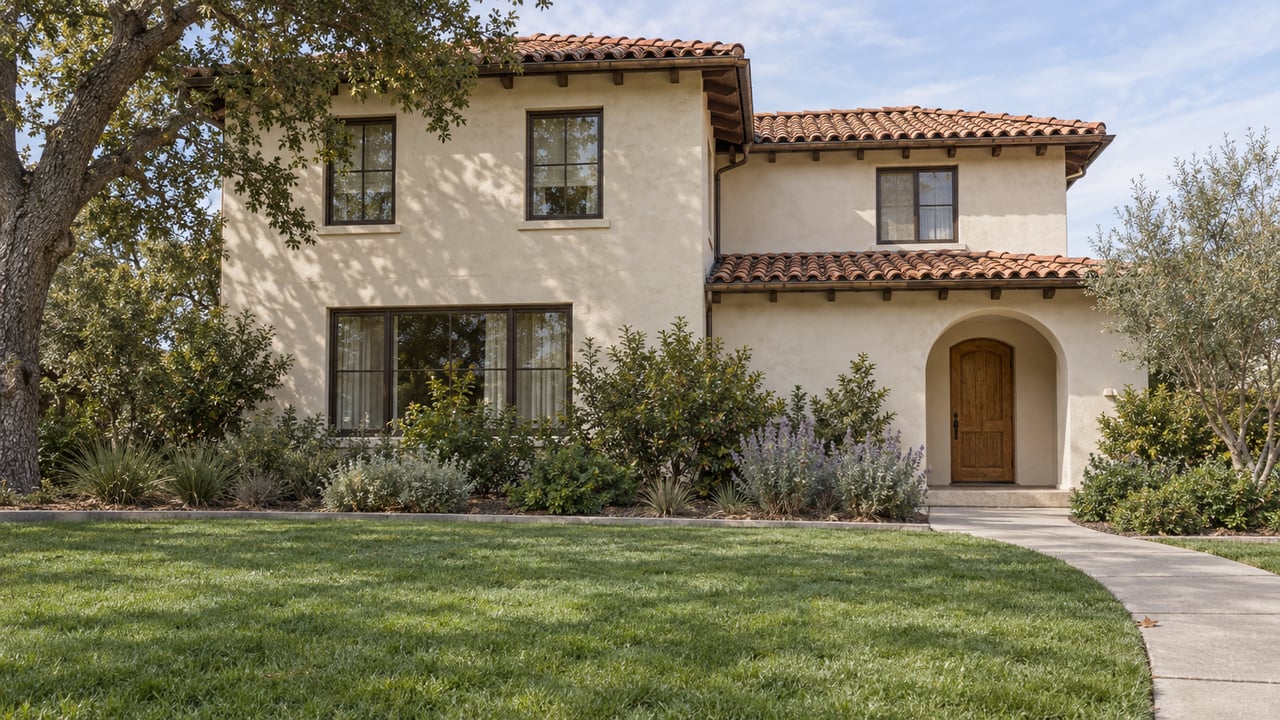
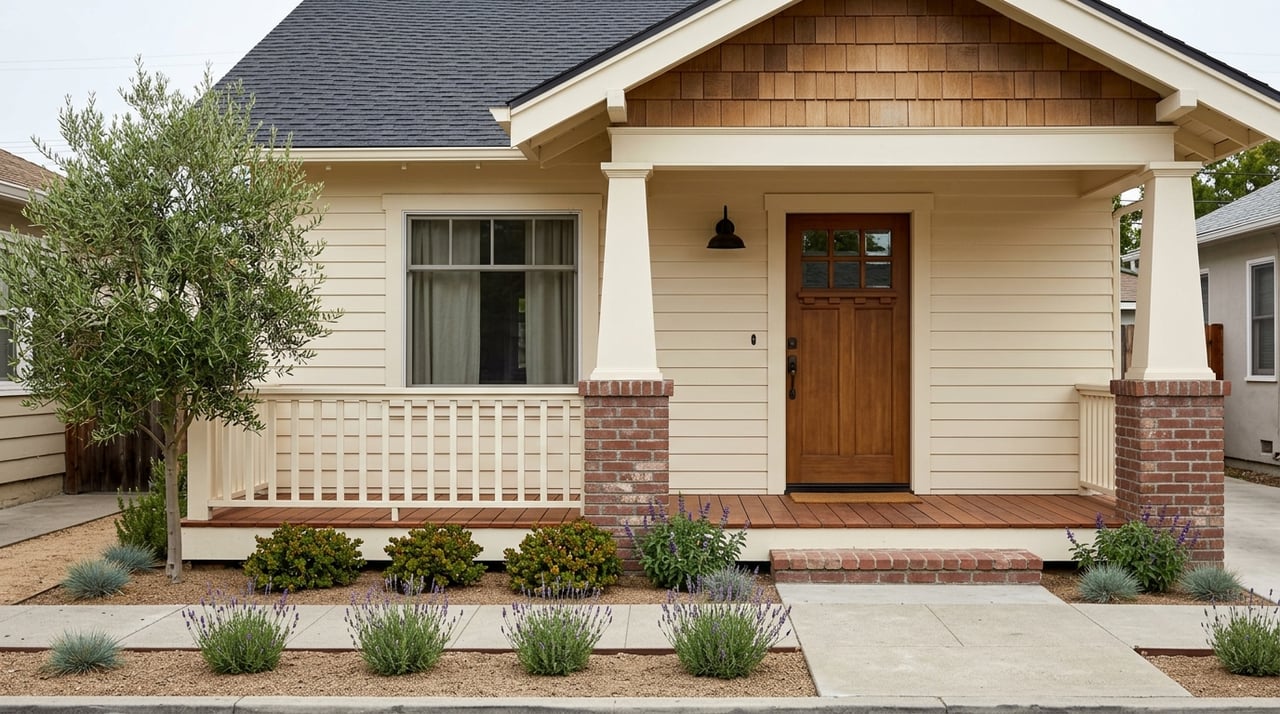
If you are comparing Martinez with other East Bay cities, one of the biggest differences is its housing mix. The city’s planning documents describe the Central Neighborhoods south of downtown as one of Martinez’s oldest areas, with roots in the mid-1800s and early 1900s.
In those older areas, most homes are single-family, but the housing stock also includes bungalow courts, duplexes, fourplexes, and small apartment complexes. The city says most of that housing is more than 50 years old, which helps explain the established feel many people notice there.
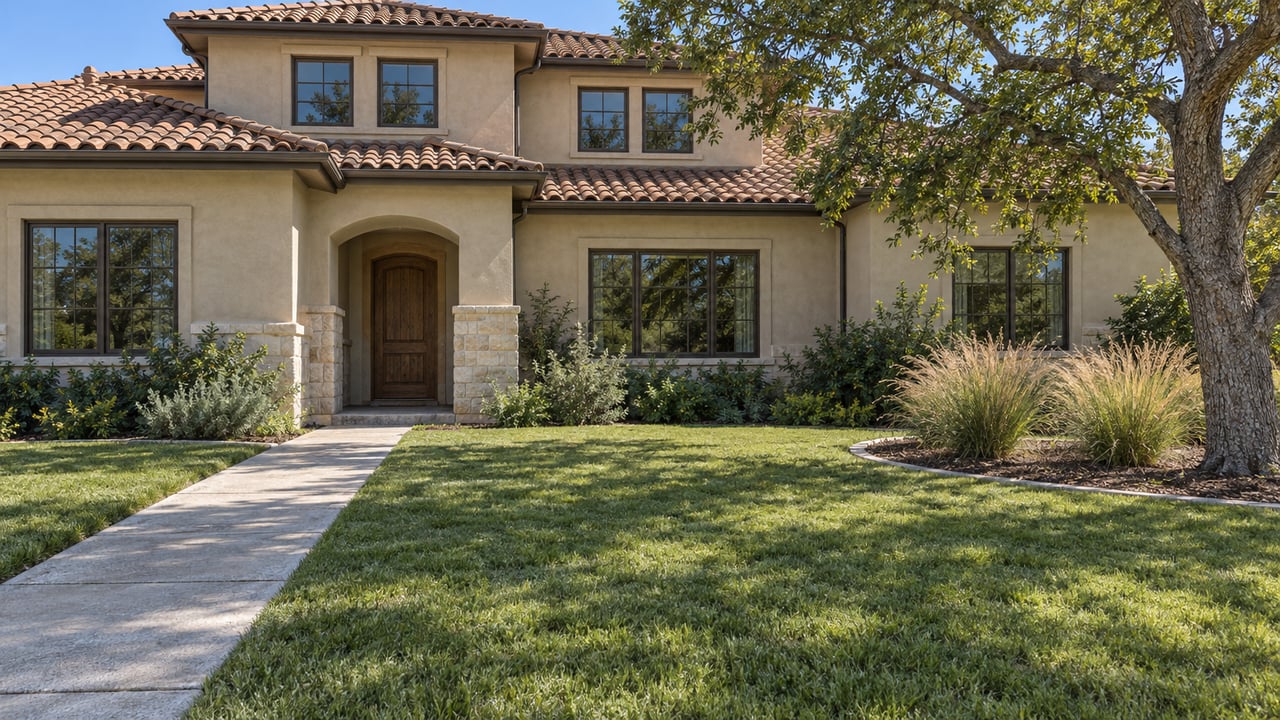
Farther south and east, Martinez shifts into newer suburban and hillside neighborhoods. The city describes these areas as having a more suburban feel, with a mix of single-family homes, multi-family developments, offices, medical facilities, commercial centers, and open space.
For buyers, that means Martinez does not fit neatly into one box. You may find historic housing patterns near downtown and a more suburban setting farther out, giving you options depending on your budget, lifestyle, and preferences.
Key Housing Numbers to Know
Current housing data reinforces that mixed profile. Martinez has a 70.8% owner-occupied housing unit rate, which points to a strong base of owner occupancy across the city.
The Census Bureau reports a median owner-occupied home value of $859,800 and a median gross rent of $2,353. These numbers give useful context if you are weighing Martinez against other Contra Costa County locations.
Martinez is also not standing still. The city certified its 2023 to 2031 Housing Element in 2025, with plans for 1,345 new units over that eight-year cycle. That suggests continued housing change and growth, rather than a market defined only by older homes.
Commuting From Martinez
For many buyers, convenience matters just as much as character. Martinez has strong regional access for a city its size, which can make it attractive if you need to commute or travel regularly around Contra Costa County and the East Bay.
The city’s circulation element identifies I-680 as the main freeway serving Martinez. State Route 4 also provides east-west access, with interchanges at Morello Avenue, Center Avenue-Howe Road, and Alhambra Avenue.
Transit is another factor that sets Martinez apart. The downtown Amtrak Intermodal Station is located in the city core, and the city says riders can connect by bus through County Connection, WestCAT Route 30Z, and Tri-Delta Transit Route 200.
For BART access, the city points to the nearest stations at North Concord and Concord. Martinez also highlights PRESTO, a weekday-evening on-demand service, which adds another option for local mobility.
The Census Bureau reports a mean travel time to work of 28.4 minutes. While every commute depends on your destination and schedule, that figure gives a helpful snapshot for buyers comparing Martinez with other smaller East Bay cities.
What Everyday Living Can Look Like
Martinez offers a lifestyle that blends several things buyers often want but do not always find in the same place. You have a historic downtown, a waterfront, parks and open space, a range of housing types, and practical transportation links.
That combination can appeal to different kinds of buyers. If you enjoy older homes and a more established city core, the central neighborhoods may stand out. If you prefer a more suburban setting with newer development patterns, the southern and eastern areas may feel like a better fit.
For relocators, Martinez can be especially interesting because it offers a different rhythm from many surrounding communities. The city’s small-town downtown pattern, civic center role, and waterfront setting create a sense of place that feels more layered than a standard suburban layout.
Is Martinez Right for You?
The answer depends on what matters most in your move. If you value historic character, access to outdoor amenities, and a city with both older and newer housing choices, Martinez deserves a closer look.
It can also be a smart city to explore if you want regional access without giving up local identity. Between freeway connections, the downtown rail station, and a range of neighborhood styles, Martinez gives you several ways to shape your day-to-day lifestyle.
If you are thinking about buying or selling in Martinez, having clear local guidance can make the process much easier. Whether you are comparing neighborhoods, weighing commute options, or trying to understand how Martinez fits into the broader East Bay market, Christine Canales can help you move forward with clarity and confidence.
FAQs
What is Martinez, California known for?
- Martinez is known for its historic downtown, waterfront and marina, role as the Contra Costa County seat, and its connection to the John Muir National Historic Site.
What is housing like in Martinez, California?
- Martinez has a mix of older central neighborhoods with single-family homes, bungalow courts, duplexes, fourplexes, and small apartment buildings, along with newer suburban and hillside areas farther south and east.
What outdoor amenities does Martinez, California offer?
- Martinez offers 17 parks, waterfront amenities, trails, open space, a fishing pier, sports fields, playgrounds, bocce courts, a skate park, and other recreation areas spread across the city.
How do you commute from Martinez, California?
- Martinez is served by I-680 and State Route 4, has a downtown Amtrak Intermodal Station, bus connections through several transit providers, and nearby BART access in Concord and North Concord.
Is Martinez, California growing?
- Yes. Martinez certified its 2023 to 2031 Housing Element in 2025, and that plan includes 1,345 new housing units over the eight-year cycle.