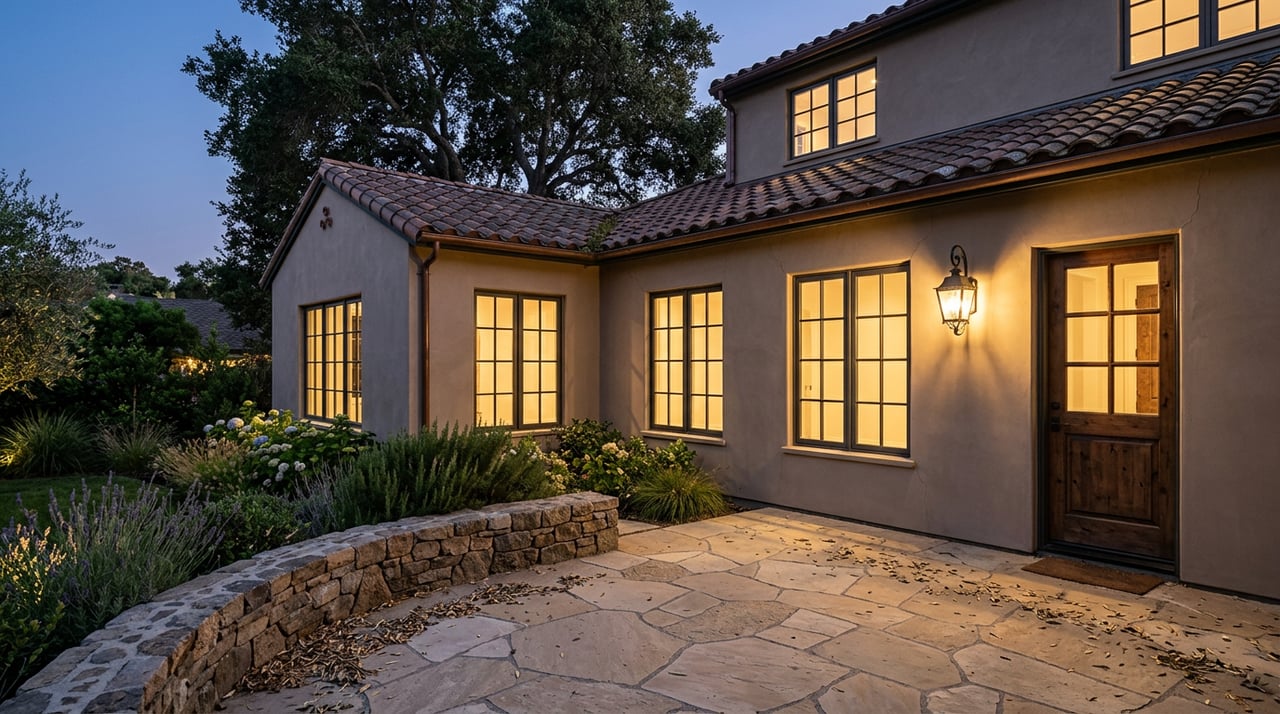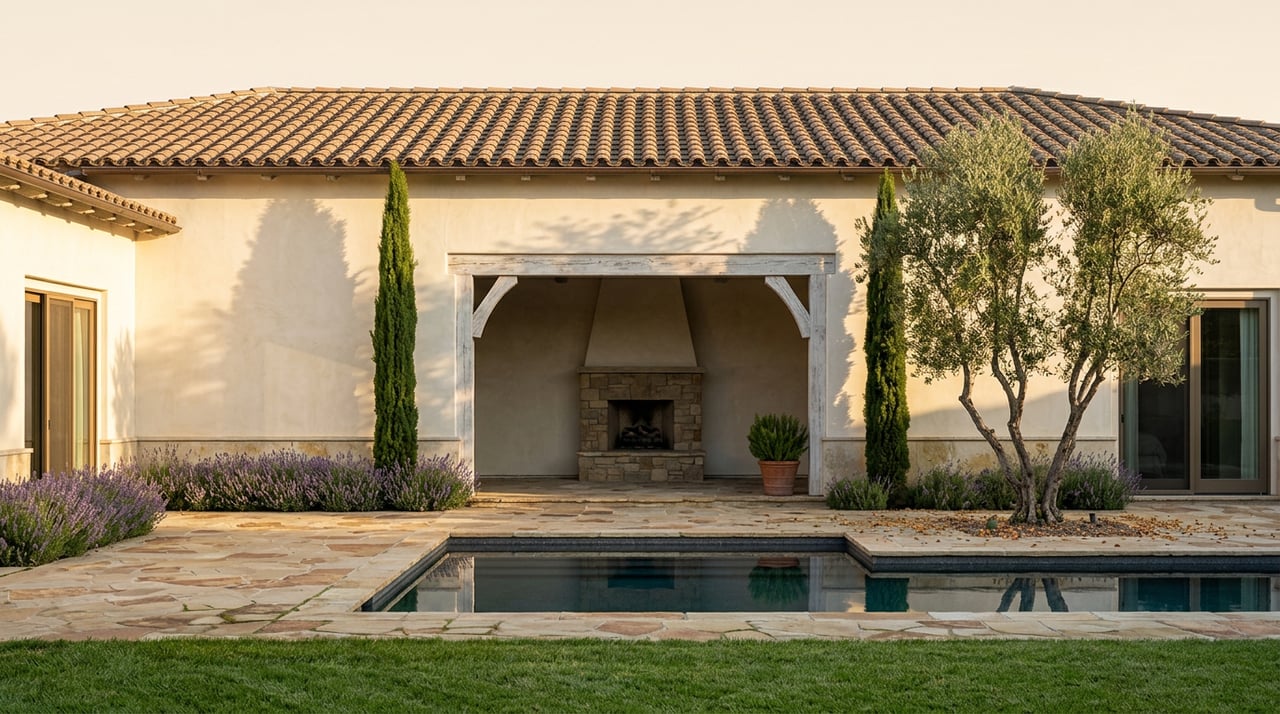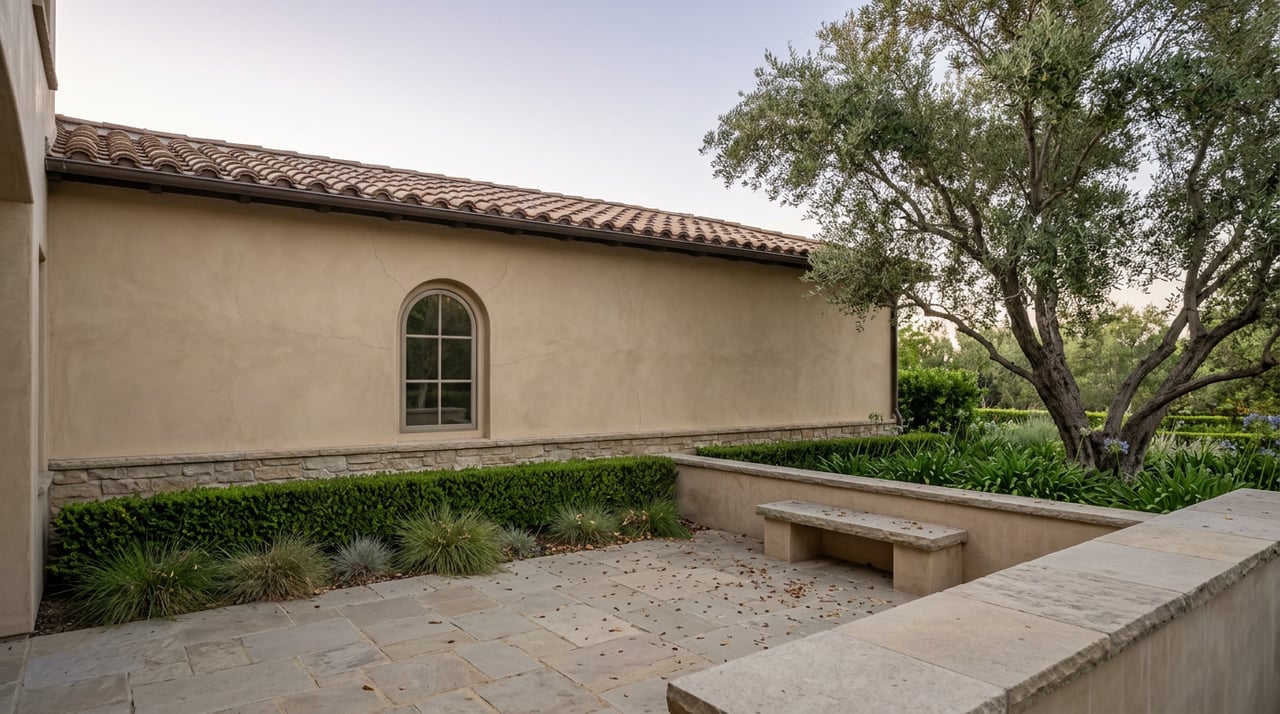
A buyer touring Dougherty Valley this fall will find two homes priced almost identically, one in Gale Ranch and one a few minutes away in Windemere. Same square footage, same school assignment, same builder era. The monthly payment estimate on the listing sheet looks close enough to call it a coin flip. Then the preliminary title report shows up, and the numbers stop matching. One home carries an HOA bill. The other carries a special tax line that dwarfs it. Most guides to this stop here and tell you Mello-Roos only ever climbs. San Ramon just gave buyers a reason to doubt that.
In July 2025, the public agency that oversees Windemere Ranch's infrastructure bonds approved a resolution to redeem a chunk of outstanding debt early, using surplus revenue sitting in the district's accounts, specifically to lower the special taxes and assessments that Windemere property owners pay. That single filing changes the question a San Ramon buyer should be asking. It is not simply "which structure costs less right now." It is "which structure gives me visibility into when this cost actually changes."
Two Different Ways to Pay for the Same Infrastructure
Gale Ranch and Windemere sit close together in San Ramon's Dougherty Valley, but they were built to pay for their own roads, parks, and street lighting in two different ways.
Gale Ranch runs on a traditional homeowners association. Owners pay HOA dues, the association maintains common areas and amenities, and that fee shows up as a private charge, separate from the county tax bill.
Windemere took a different route. The community was master planned across roughly 2,320 acres and now includes more than 5,000 residential units, fully built out. Rather than fund shared infrastructure through an HOA, the developer and the Association of Bay Area Governments set up a public financing structure: an assessment district in 1999, followed by a Community Facilities District in 2004. Both mechanisms issued bonds to pay for streets, landscaping, and public safety costs up front, then recovered that money over time through a special tax billed alongside property taxes. That special tax is what shows up on a Windemere tax bill as a CFD line, commonly known by its shorthand, Mello-Roos.
Neither approach is better in the abstract. They are just different financing instruments attached to the same category of cost, and they behave differently over the life of a mortgage.
What the Difference Actually Costs
HOA dues in Gale Ranch are billed monthly or quarterly, adjust with the association's budget, and are not tax deductible. Windemere's CFD tax rides on the property tax bill twice a year, gets folded into a lender's debt-to-income calculation the same way base property tax does, and in some cases may qualify for deduction treatment depending on how the district structured the underlying charge and how much room a household has left under the federal SALT cap, which rose to $40,000 for the 2026 tax year. That deductibility question is genuinely case specific, and it is worth a conversation with a tax professional rather than an assumption based on a neighbor's return.
Longtime local agents who have worked both neighborhoods for years have generally described Windemere's effective property tax rate as running meaningfully higher than Gale Ranch's, a gap wide enough that it can offset most or all of the HOA savings depending on home value and loan size. The only way to know the real number for a specific address is the current year's county tax bill, which is why a serious buyer asks for it before writing an offer rather than after opening escrow.
Here is the basic shape of that comparison:
| Gale Ranch (HOA model) | Windemere (CFD model) | |
|---|---|---|
| Recurring charge | HOA dues, billed separately | Mello-Roos special tax, on the property tax bill |
| Deductibility | Not deductible | Case-by-case, subject to SALT cap |
| Term | Ongoing while HOA exists | Tied to bond maturity, often 20 to 40 years from formation |
| Rate stability | Can rise with HOA budget votes | Fixed by formula, but tied to bond payoff and refinancing activity |
| Lender treatment | Counted separately from housing expense in some programs | Counted in monthly housing expense for DTI, like property tax |
The last row matters more than it looks. A CFD tax is not a fee the homeowner can vote to raise or lower at an annual meeting. It is debt service. And debt service can be paid off early.
The Bond Call Nobody Put in a Buyer's Guide
That brings us to the filing that most Mello-Roos explainers miss entirely. In its July 17, 2025 board meeting, the Advancing California Finance Authority, the successor entity to the original ABAG financing arm that built out Windemere Ranch's infrastructure, approved Resolution 2025-006. The resolution authorized redeeming a portion of the outstanding Windemere Ranch bonds using surplus revenue that had accumulated in the program's accounts, specifically because a series of those bonds had become callable. The stated purpose, in the agency's own language, was to reduce the special taxes and assessments paid by property owners in Windemere Ranch.
This is worth sitting with for a moment. The standard framing of Mello-Roos treats it as a cost that only escalates, capped at some maximum, ticking upward on a fixed schedule until the bonds finally mature decades from now. That framing is not wrong, but it is incomplete. A fully built-out district with a strong collection history can generate more revenue than it needs to service its remaining debt. When that happens, the agency administering the bonds has an incentive to call them early rather than sit on cash that belongs, in effect, to the taxpayers funding it. Windemere Ranch did exactly that in 2025.
For a buyer, the practical takeaway is not that every CFD tax is about to drop. Most will not, and any given district's finances depend entirely on its own bond structure and collection history. The takeaway is that a Mello-Roos number on a listing sheet is a snapshot of an amortization schedule, not a permanent feature of the home. Asking about a district's bond status, remaining term, and recent activity is now a legitimate due diligence question in this specific pocket of San Ramon, not a hypothetical one.
Why This Matters More Right Now
San Ramon's 2026 market has made carrying costs matter more than they used to. Public sales data covering the second quarter of 2026 put the citywide median sale price for San Ramon at roughly $1.6 million, essentially flat year over year, while days on market compressed to some of the shortest levels in several years. That flatness at the top level masks real divergence underneath it. Gale Ranch and Windemere have both continued to trade at the higher end of San Ramon's price range even as broader city-wide medians have cooled from their 2021 and 2022 peaks. When price appreciation is not doing the heavy lifting it once did, the fixed and semi-fixed costs riding along with a purchase, HOA dues, CFD taxes, insurance, start to matter more to a buyer's actual monthly comfort than they did three or four years ago.
California law already requires sellers to make a good faith effort to disclose known Mello-Roos obligations before a sale closes, and the Mello-Roos Community Facilities Act requires that buyers receive a formal Notice of Special Tax early in escrow, spelling out the current amount, the authorized maximum, and the conditions under which it can change. That disclosure tells a buyer what the tax is today. It does not tell them whether the underlying bonds have surplus revenue sitting behind them, or whether an early call is on the table. That information lives in the district's own financial filings, not the seller's disclosure packet.
What to Actually Ask For Before Writing an Offer
A few questions turn this from an abstract structural comparison into something a buyer can act on before they are in contract:
Request the current year's county tax bill for the specific parcel, not a neighborhood average, and identify the exact CFD name and number listed on it. Ask the listing agent or seller for the Notice of Special Tax that should have been delivered at the start of escrow, and read the maximum authorized amount alongside the current levy, since some districts are levying well below what they are legally allowed to charge. Ask whether the tax funds bond repayment only or includes an ongoing services component, since bond-only taxes disappear on a known date while services taxes can continue indefinitely. And ask specifically whether the administering agency has taken any recent action on the bonds, since a filing like Windemere's 2025 resolution is public record but rarely surfaces in casual conversation at a showing.
None of this replaces a conversation with a lender about how the number affects loan qualification, or a tax professional about deductibility. It does mean a buyer walks into escrow already knowing which questions matter in this particular corner of Dougherty Valley.
A Few Common Questions
Does the Windemere bond redemption mean the tax already went down for current owners? The 2025 resolution authorized using surplus funds to redeem bonds and reduce the special tax obligation going forward. The exact timing and amount of any reduction on a specific parcel's bill depends on that parcel's assessment within the district, which is why the current year's tax bill is the only reliable source for today's number.
Is Gale Ranch's HOA automatically the cheaper option? Not necessarily. HOA dues are a known, non-deductible recurring cost that can rise with association budgets, while a CFD tax is fixed by formula and has a defined end date tied to bond maturity. Which one costs less over the time a buyer expects to own the home depends on the specific dues, the specific tax amount, and how many years remain on that particular district's bonds.
How do I find out if my target property's CFD has surplus revenue like Windemere's did? That level of detail lives in the administering agency's public board filings rather than in a standard disclosure packet. A title company or an agent familiar with the district can help track down whether any bond activity is pending.
Christine Canales works with buyers across San Ramon's Dougherty Valley every year and has walked clients through exactly this kind of side-by-side comparison before an offer goes in. If you are weighing Gale Ranch against Windemere, or comparing either one against another East Bay community entirely, Christine Canales can help you pull the actual numbers for a specific address before you write anything. Let's Connect.